
Table of Contents
- How to Prevent Furniture Delivery Damage: A Step-by-Step Approach
- How to Prepare for Furniture Delivery
- Choosing and Using Protective Materials
- Wrapping, Padding, and Securing Furniture for Transit
- Furniture Delivery Inspection Checklist: Before You Sign
- What to Do if Furniture Arrives Damaged
- Filing a Furniture Delivery Damage Claim
- Communication and Handoff: Preventing Damage Day-of-Delivery
- Frequently Asked Questions
Last Updated: October 21, 2026
How to Prevent Furniture Delivery Damage: A Step-by-Step Approach
Furniture delivery damage is one of the most frustrating parts of buying new pieces for your home. A scratch on your sofa. A dent in your new dresser. Gouges in your walls. These problems happen more often than they should, and they’re almost always preventable.
At Furniture and Appliance 4less, we are committed to ensuring your furniture arrives in perfect condition. The difference between a smooth delivery and a damaged one comes down to preparation, communication, and the right protective materials. This guide walks you through exactly how to prevent furniture delivery damage before it happens.
How to Prepare for Furniture Delivery
Getting your space ready is the single most important step. Most damage occurs not during transport, but during the delivery itself, when furniture moves through your home.
Measure Your Space and Access Points
Before delivery day arrives, measure every point the furniture must pass through. This includes:
- Doorways and hallways
- Stairwells and landings
- Elevator dimensions (width, depth, height)
- Turns and corners in your entryway
Write these measurements down. Compare them to your furniture dimensions. If a sofa won’t fit through your hallway, the delivery crew needs to know this ahead of time. They may need to disassemble parts or find an alternative route.
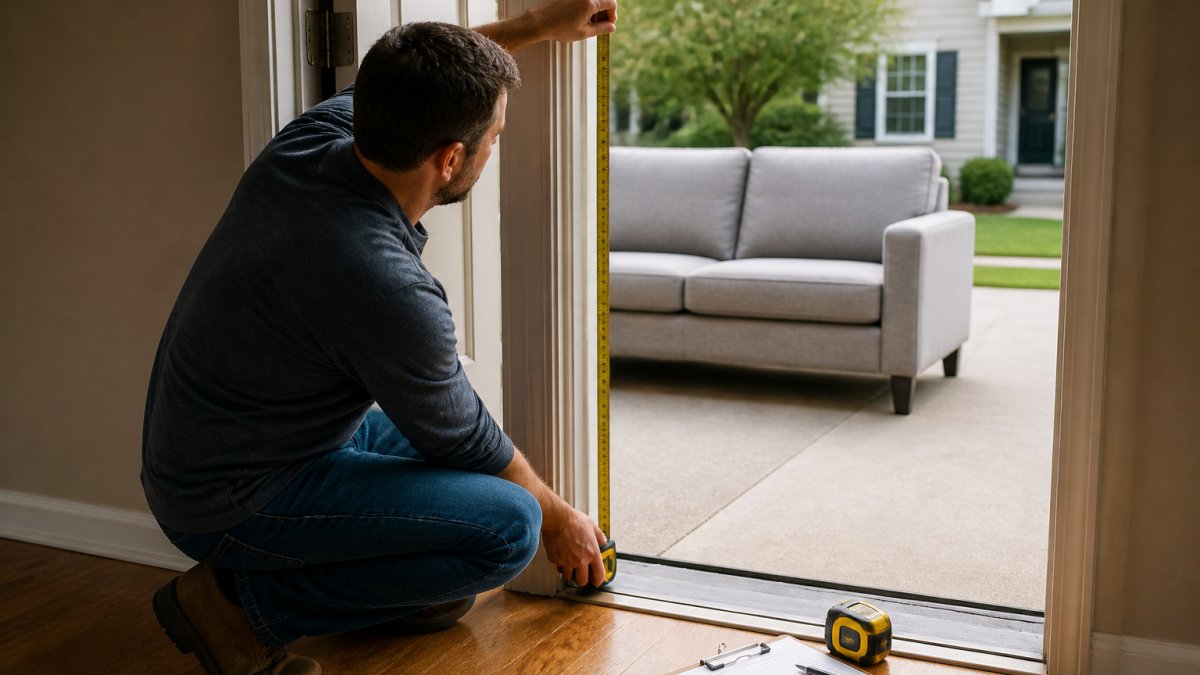
Check ceiling height too. Tall bookcases or armoires can catch on light fixtures or ceiling fans. Measure from floor to the lowest obstruction. A simple measurement prevents hours of frustration on delivery day.
Clear Pathways and Protect Your Home
Remove obstacles from the path between your front door and the final room. Move:
- Throw rugs and area rugs
- Potted plants and decorative items
- Toys, shoes, and personal belongings
- Anything that could trip a delivery person
Protect your walls and doorframes. Use cardboard, plywood, or protective padding on corners where furniture will turn. Tape painter’s tape along wall edges in tight hallways. This costs almost nothing and prevents wall damage that costs hundreds to repair.
Protect your floors too. Lay down cardboard or plastic sheeting in high-traffic areas. Delivery crews move heavy items across your home, scratched hardwood or scuffed tile adds up fast.
Clear a staging area near the delivery entrance. This gives the crew a place to set furniture down temporarily while assessing the best route inside.
Choosing and Using Protective Materials
The right materials make the difference between a pristine delivery and a damaged one.
Moving blankets are your first line of defense. These thick, quilted blankets wrap around furniture and absorb impact. They’re reusable and cost-effective.
Plastic wrap and stretch wrap protect upholstery from dirt and moisture.
Corner protectors are foam or cardboard pieces that fit over sharp edges. Corners take the most abuse during delivery. Protect them first.
Packing paper and kraft paper cushion delicate surfaces. Use multiple layers.
Bubble wrap works for smaller items and glass surfaces. Use it for mirrors, glass tabletops, and delicate wood finishes.
Wrapping, Padding, and Securing Furniture for Transit
Proper wrapping keeps furniture safe from the moment it leaves the warehouse until it arrives in your home.
Start with a clean surface. Dust and dirt trapped under wrapping can scratch finishes. Wipe down your furniture before wrapping begins.
Apply padding first. Layer moving blankets around the entire piece. Secure them with plastic stretch wrap, not tape. Tape can damage wood finishes and upholstery.
For upholstered pieces, use plastic wrap first to protect fabric from moisture and dirt. Then add moving blankets over top.
Secure everything with stretch wrap. Wrap horizontally and vertically to prevent blankets from shifting during transport.
Protection Methods by Material Type
Different furniture materials need different approaches.
Wood furniture needs corner and edge protection first. Corners are vulnerable. Wrap padding around all exposed edges.
Upholstered furniture requires plastic wrap underneath to block moisture and dirt. Then add moving blankets. Secure with stretch wrap, not tape.
Glass and mirrors need bubble wrap and cardboard. Wrap bubble wrap around the entire piece. Then wrap kraft paper around that.
Leather furniture is sensitive to moisture and temperature changes. Protect it with plastic wrap and moving blankets.
Metal and chrome pieces should be wrapped to prevent rust and scratches. Use plastic wrap first, then blankets. Protect any exposed metal from moisture.
Furniture Delivery Inspection Checklist: Before You Sign
Never sign the delivery paperwork until you’ve inspected every piece. This is your legal protection if damage occurred during delivery.
Check each item for:
- Scratches, dents, or gouges on all surfaces
- Cracks or breaks in wood, glass, or metal
- Stains or damage to upholstery
- Missing hardware, legs, or components
- Damage to the frame or structure (rock the furniture gently to check stability)
- Damage to your home, walls, floors, doorframes
Take photos of every piece before the delivery crew leaves. Document the condition of your walls and floors too.
Open drawers and doors. Make sure they operate smoothly. Check that all legs are attached and level. Test that cushions are intact and not compressed.
If you find damage, document it immediately. Write the specific damage on the delivery paperwork before signing. Get the delivery crew’s names and the date.
What to Do if Furniture Arrives Damaged
Damage happens despite best efforts. Here’s what to do next.
Stop. Don’t try to fix it yourself. Don’t move the furniture. Take photos from multiple angles showing the full extent of the damage.
Contact the retailer or delivery company immediately. Most have 24-48 hour windows for damage claims. Waiting longer makes claims harder to process.
Have your delivery paperwork and photos ready. Explain exactly what happened and when. Provide the delivery crew’s names if you have them.
Documenting Damage and Taking Photos
Photos are everything. Take them in good lighting so the damage is clearly visible.
Photograph the damaged area from multiple angles. Show the damage close-up and from a few feet away for context.
If the damage is on multiple pieces, photograph each one separately. Label each photo with the date and what you’re showing.
Keep the furniture as-is until the claim is resolved. Don’t attempt repairs. Don’t move it around. The retailer or delivery company may send someone to inspect it.
Save all documentation: the receipt, delivery paperwork, photos, and any communications about the damage.
Filing a Furniture Delivery Damage Claim
Most retailers and delivery companies have straightforward claim processes.
Contact customer service with your order number and delivery date. Explain what was damaged.
The company will review your claim. They may ask for additional photos or information. Answer quickly. Delays can slow the process.
Most claims result in one of three outcomes: repair, replacement, or refund. Replacement is usually fastest if the item is in stock.
Follow up if you don’t hear back within a week. Claim processing shouldn’t take more than 2-3 weeks.
Keep copies of everything. Email confirmations, photos, claim numbers, all of it. You may need this documentation later.
Communication and Handoff: Preventing Damage Day-of-Delivery
The delivery day itself sets the tone for everything. Clear communication and a documented handoff prevent almost all damage and most disputes. This section covers the access measurements to confirm, the conversation to have with the crew, and the handoff record to keep.
Confirm Access Measurements Before the Truck Arrives
Before delivery day, measure and write down every point the furniture must pass through. Confirm these numbers with the delivery company when you schedule or confirm the appointment:
- Doorway width and height (the clear opening, not the frame)
- Hallway width at the narrowest point
- Stairwell width, headroom, and landing turn radius
- Elevator interior width, depth, height, and door opening
- Any low ceiling, light fixture, or ceiling fan on the route
Compare these to the furniture dimensions, including packaging. If a piece will not fit, the crew needs to know before they arrive so they can plan disassembly or an alternative route. A common pattern is that damage happens at the tightest turn, not in the truck, so the measurement conversation is a prevention step, not a formality.
The Pre-Delivery Call
Call the delivery company 24 hours before delivery. Confirm the appointment window and your address. Ask three specific questions:
- Does the crew provide moving blankets, stretch wrap, and corner protectors, or should you have your own ready?
- Will the crew disassemble removable parts (legs, doors, hardware) if needed, and is there an extra charge?
- What is the company’s policy for noting damage on the delivery paperwork before signing?
Write down the answers and the name of the person you spoke with. This record matters if a dispute arises later.
The Walkthrough With the Crew
Be home when they arrive. Meet the crew at the door and walk the route with them before any furniture is moved. Point out tight turns, low ceilings, and any floor or wall protection you have placed.
Stay visible during the delivery without hovering or getting in the way. If you see dragging instead of carrying, missing blankets, or a route that risks a wall, speak up before the piece moves further.
The Documented Handoff
Before the crew leaves, inspect every piece and the route through your home. Then complete a documented handoff:
- Note the condition of each item on the delivery paperwork before signing.
- Write any exception, scratch, dent, or missing hardware in specific terms (location, size, and which piece).
- Photograph each item and the walls, floors, and doorframes along the route.
- Get the crew’s names and, if the company allows, a photo of the paperwork showing your notes.
- Keep a copy of the signed paperwork, the photos, and any text or email confirmations.
Signing a clean delivery receipt without noting visible damage can make a later claim harder to support. Note exceptions before you sign, not after the truck leaves.
A Role-Based Prevention Checklist
Use this short checklist to connect prevention steps across the full delivery process:
Customer, before delivery day: measure access points, clear and protect the route, confirm the appointment and crew materials, and prepare a staging area.
Customer, on delivery day: walk the route with the crew, ask about disassembly and protection, stay visible, and inspect before signing.
Delivery crew: confirm access measurements, use blankets and corner protectors, carry rather than drag, and note any pre-existing damage before moving furniture.
Both parties, at handoff: record condition on the paperwork, photograph the items and the home, and keep copies of the signed documents.
This handoff record is the bridge between prevention and any claim.
Frequently Asked Questions
How can I prevent furniture from getting damaged during delivery?
Prevent furniture delivery damage by measuring doorways and hallways beforehand, clearing pathways of obstacles, using quality protective materials like moving blankets and corner protectors, and wrapping delicate surfaces. Communicate clearly with the delivery crew about fragile items, document the furniture’s condition before arrival with photos, and inspect items immediately upon delivery before signing. Request that the crew use load restraints and secure items properly in the truck during transit.
What should I check before signing for a furniture delivery?
Before signing, inspect all items for visible damage, scratches, dents, or missing parts. Check that the furniture matches your order and that all components are present. Open drawers and doors to ensure they operate smoothly. Look for tears in upholstery, cracks in wood finishes, or damage to glass panels. Take photos of the condition if you notice any issues. Ask the delivery crew to note any damage on the delivery receipt before you sign, and never sign off on items you haven’t fully inspected.
What should I do if furniture arrives damaged?
If furniture arrives damaged, do not sign the delivery receipt or note ‘received in damaged condition’ on it. Take clear photos and videos of the damage from multiple angles, including close-ups. Document the date, time, and specific damage details. Contact the retailer or carrier immediately with your photos and delivery information. Keep all packaging materials and documentation. File a damage claim within the timeframe specified in your delivery agreement, typically within 3-7 days. Provide your photos, the delivery receipt, and a written description of the damage.
Who is responsible if furniture is damaged during shipping?
Responsibility depends on your delivery agreement and who owns the furniture at the time of damage. For retailer-arranged delivery, the carrier or retailer is typically responsible. For items shipped to you, the shipper or carrier usually bears liability. Always check your purchase agreement and delivery terms. File a claim with the responsible party promptly. If you arranged independent movers, they are responsible for damage during their service. Keep your receipt, delivery documentation, and photos to support any claim.